
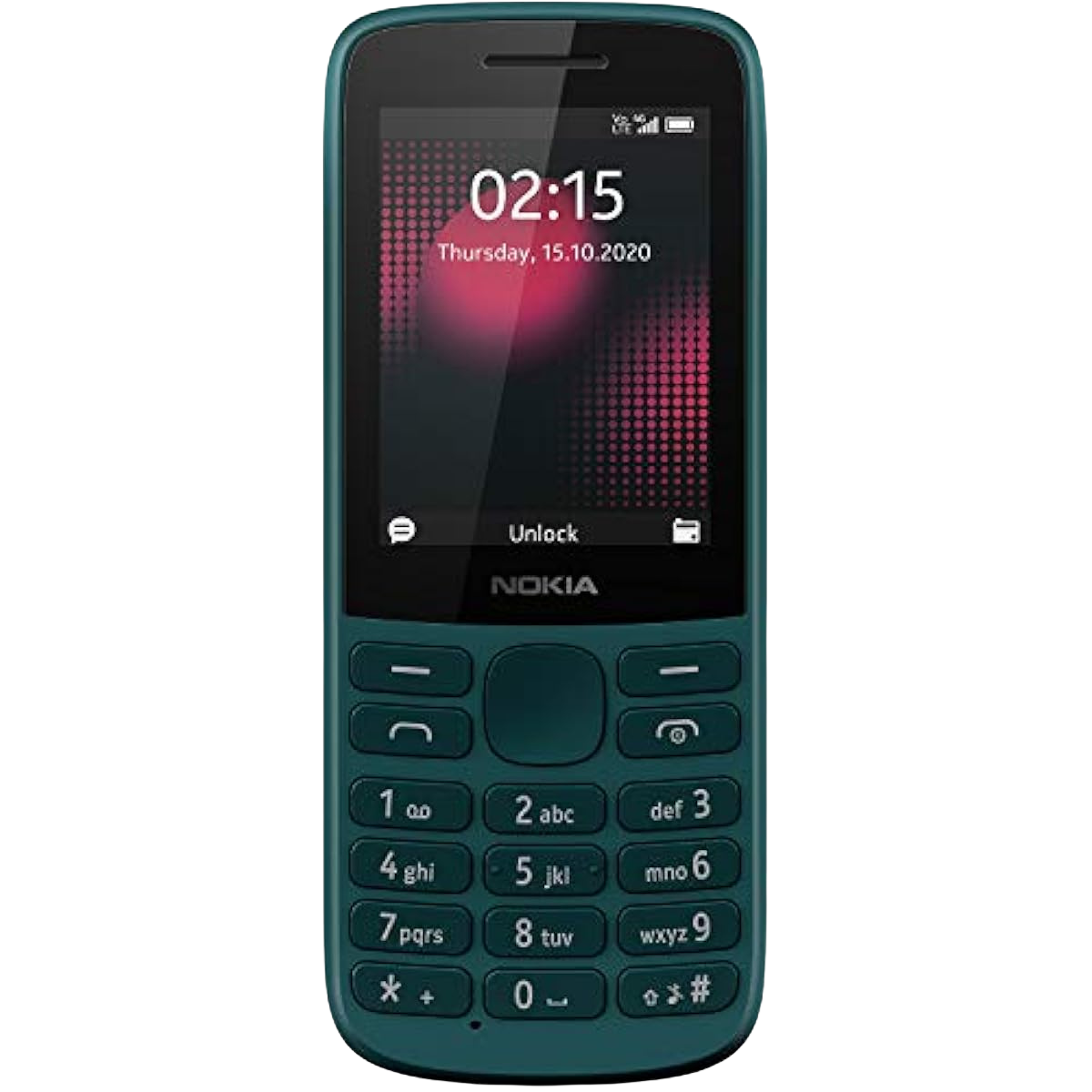
Nokia 215 (from £59.50, Amazon)
An old-school mobile phone similar to those many parents had as teenagers, this Nokia model has a simple, retro design and small LCD display. It can play music, has Bluetooth connectivity, and you can even play the classic game Snake.
Pros: Long battery life, meaning they won’t get caught short. There’s no touch screen and no social media apps, so the risk of addiction is lower.
Cons: It’s a very basic device. If you’re concerned about where your child is, there’s no GPS functionality.
If parents don’t want their children to have unsupervised access, they need to do a SIM swap and get a no-data SIM [available from £4 a month].
Basic phones for under-14s
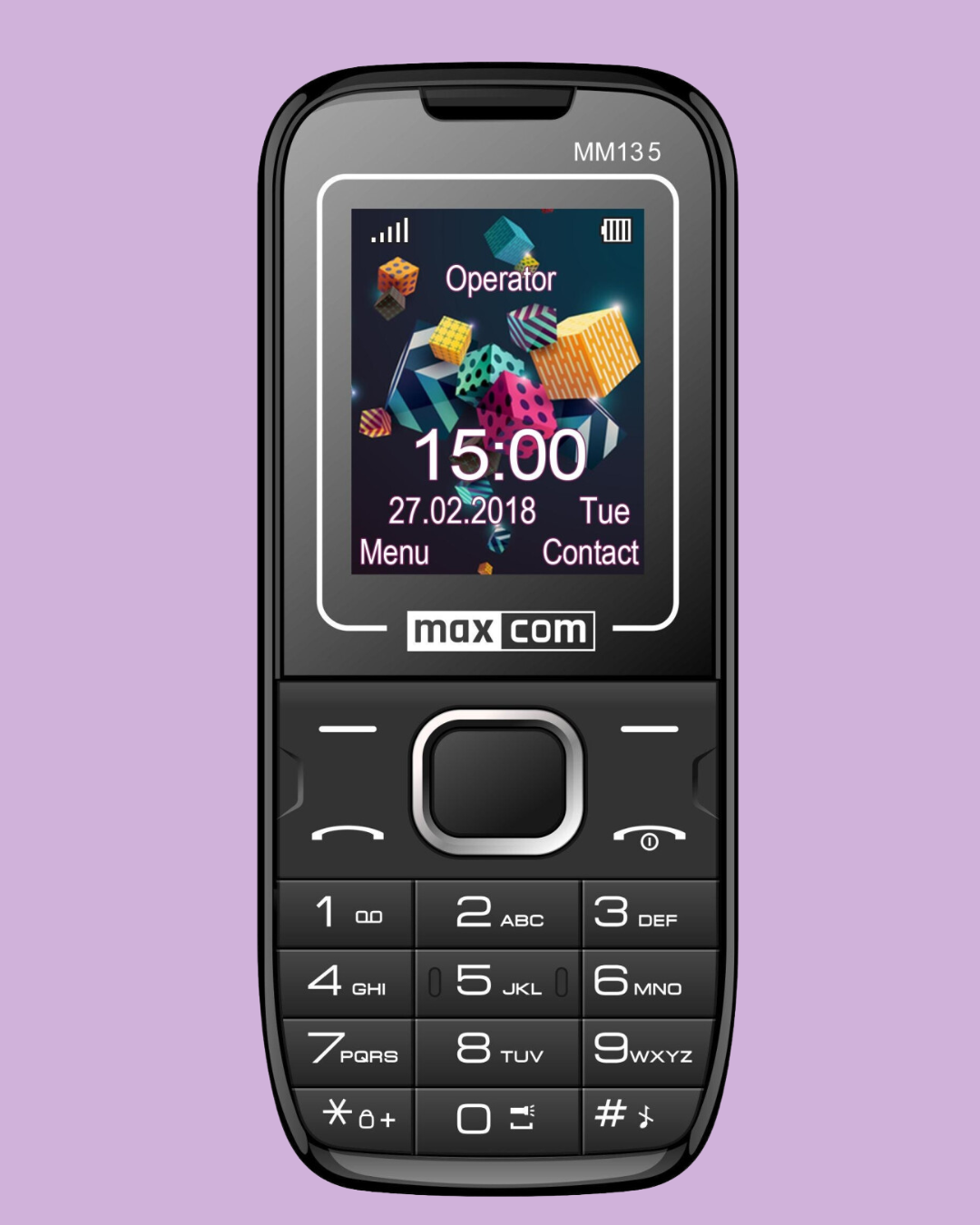
Maxcim MM‑135 (from £20, online)
A straightforward feature phone with a classic design and easy‑to‑use interface. The Maxcim MM‑135 focuses on reliable calling and texting, making it a solid option for young users or anyone who wants essential mobile functionality without the distractions of a smartphone.
Pros: This phone has long battery life, so they won’t get caught short. It has no touch screen, social media apps, or constant notifications, which helps reduce the risk of screen addiction. The menu system is simple and intuitive, making it ideal for first-time phone users.
Cons: It is a very basic device. There’s no GPS, camera, or music player, which for many families is actually an advantage as it helps limit distractions and protect privacy. It also doesn’t support internet browsing or app downloads.
Finally, the phone must be used with a SIM-only plan, so parents may want to use a no-data SIM to limit unsupervised online access.
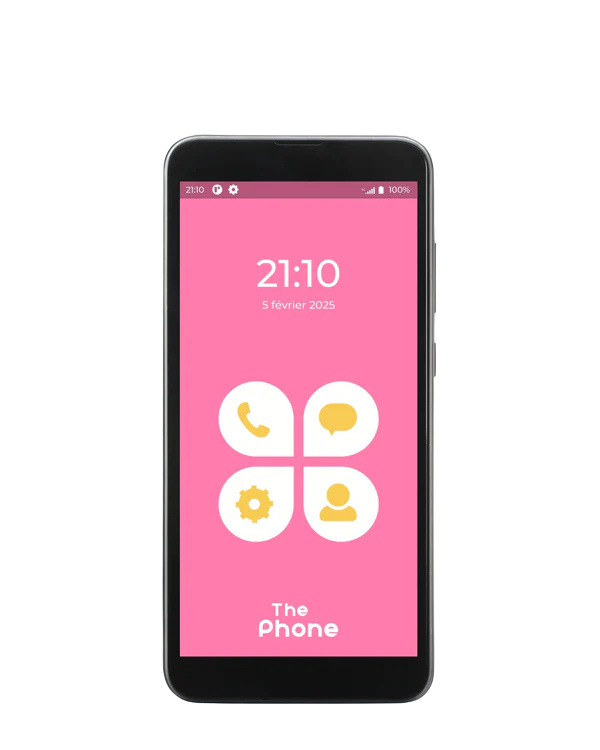
The Phone (from £88)
This French model is essentially a fake smartphone: it has a touch screen, but only allows users to use it to make calls and send texts.
Sturdy and durable, it’s designed for children and has no internet whatsoever.
Pros: Perfect for pre-teens through to older teens who want the look of a smartphone, this device ticks all the boxes—without the risk of screen addiction. Its sleek design blends in seamlessly, looking just like a regular smartphone.
Cons: There’s no GPS, camera, or music functionality—which for many families can be an advantage, helping to limit distractions and protect privacy. The phone ships from France, so it needs to be ordered online.
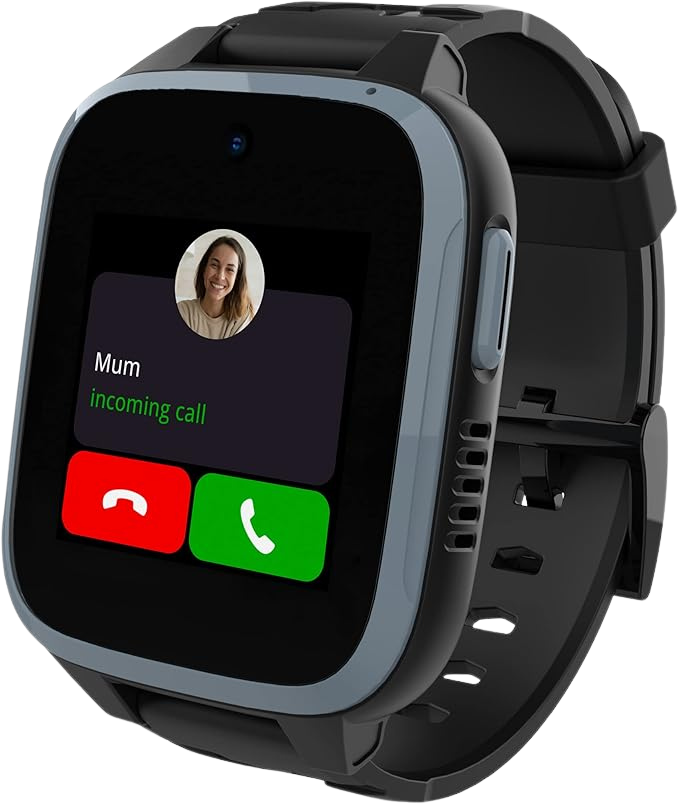
Xplora XG03 Kids Smart Watch (from £69)
Smartwatches are a good middle ground for kids who want their own smartphone.
This model, by a Norwegian company, has been around for several years and is increasingly popular in the UK. Other options include models by imoo (a Chinese company) and Garmin.
Pros: Users can call and text, without the traditional touch screen, and there’s also GPS so parents can track their child when they’re out of the house. It provides that safe experience as there’s no access to the internet.
Cons: Not all children may want to wear a watch on their wrist – but they can always keep it in their pocket or on their bag. GPS tracking is also seen by many as a disadvantage.
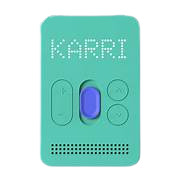
Karri Messenger (from £29.99)
A screen-free walkie-talkie, this device is like a phone – but different.
Users can send messages to one another, and parents can link to the chat by downloading an app on their phone.
Pros: It’s not addictive as there’s no screen and no internet. The price point makes it much more accessible than a smartphone.
It has GPS tracking.
Cons: There is a monthly fee, on top of the price, which ranges between £4.99 and £7.99 per month.
The brightly-coloured design and basic functionality may not appeal to older teens; it was initially conceived for primary schoolchildren.
Sayph Phone (£189)
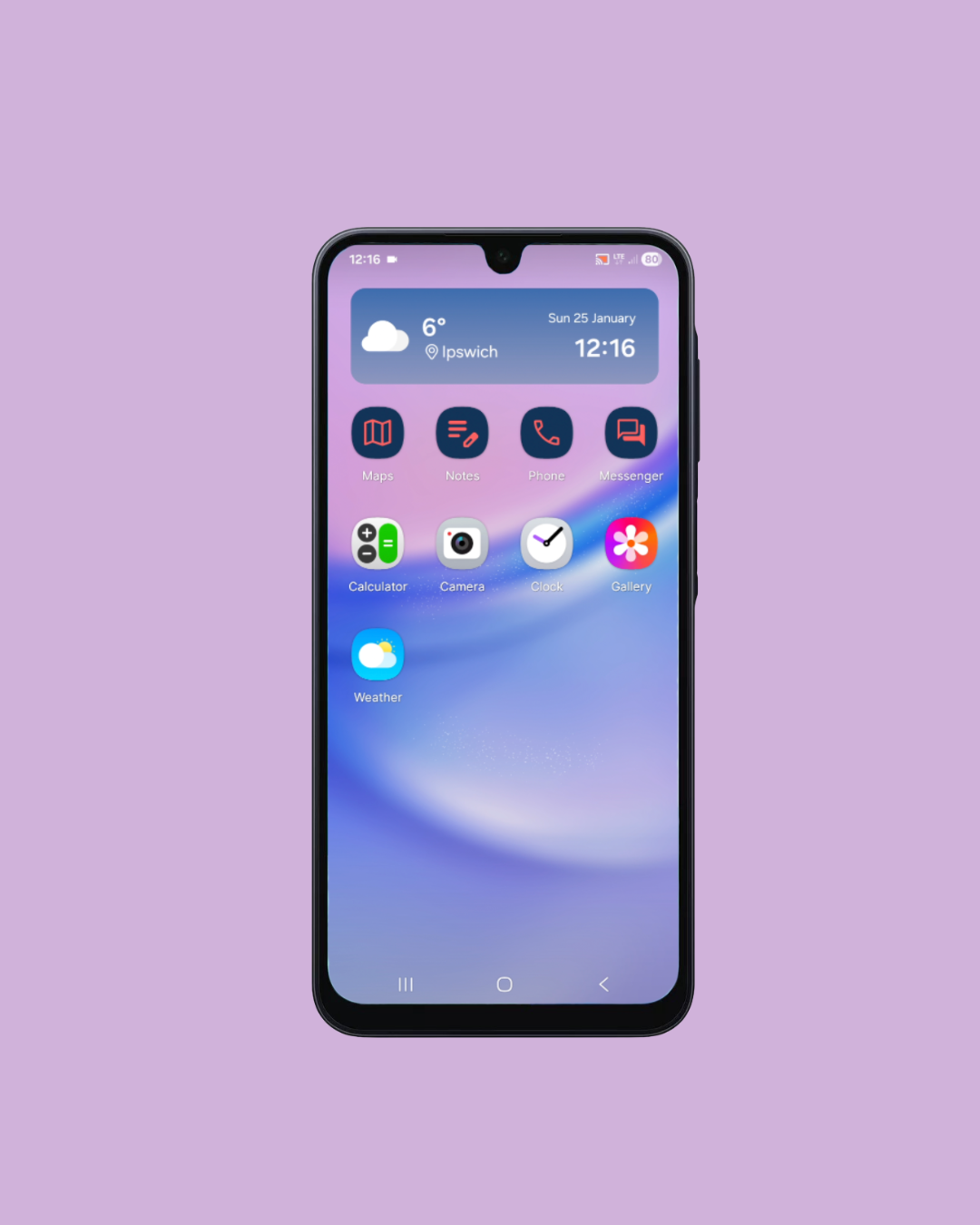
Sayph Phone keeps things refreshingly simple. By removing social media, app stores, and open internet access entirely, it cuts out distractions at the source rather than trying to manage them after the fact.
Pros It has been designed to include only useful apps that support independence, rather than entertainment, while looking like a standard smartphone. Calling, texting, camera, maps, weather, and simple tools like notes ensure kids stay connected and capable, without feeling cut off from everyday functionality.
Cons
It might have more functionality than you are comfortable with, and may sit better as a 14+ phone. If you choose to use the accompanying parent app to manage the phone remotely, there is a monthly subscription to do so (£4.99, with the SIM sold separately).
XploraOne (£149)
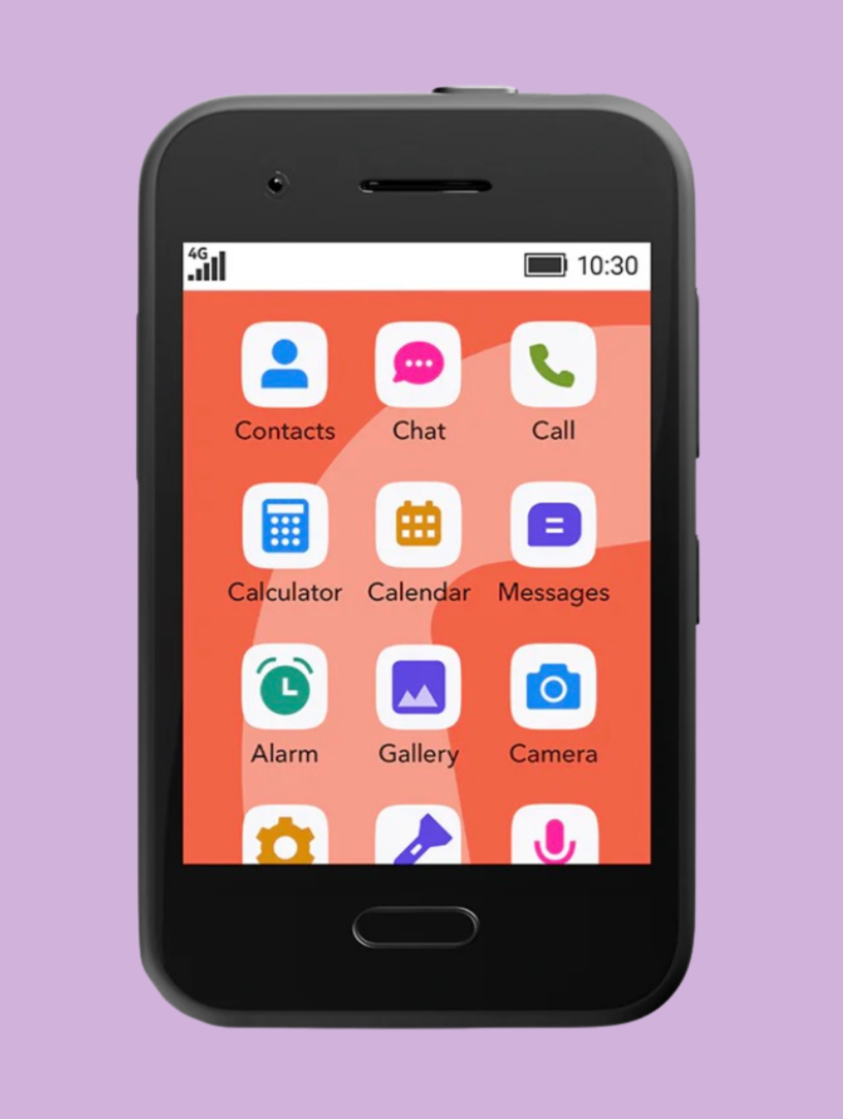
Described as a 'start phone', this is Xplora's market-leading children's smartwatch in phone-form.
Users can make calls and send texts and parents can control use by downloading an app on their phone.
Pros: It’s not addictive as there’s no internet browser or social media access. t's smaller - and lighter - than a smartphone, making it perfect for children's hands. Kids will love the touch screen and brightly coloured phone cases. It has GPS tracking.
Cons: There is a monthly fee starting at £9.99, on top of the handset, but this includes mobile connectivity. No extra SIM or data plan is needed.
The basic functionality and low-resolution screen may not appeal to older teens.
Written by Jennifer Powers, Founder Unplugged Coalition
Full article available here